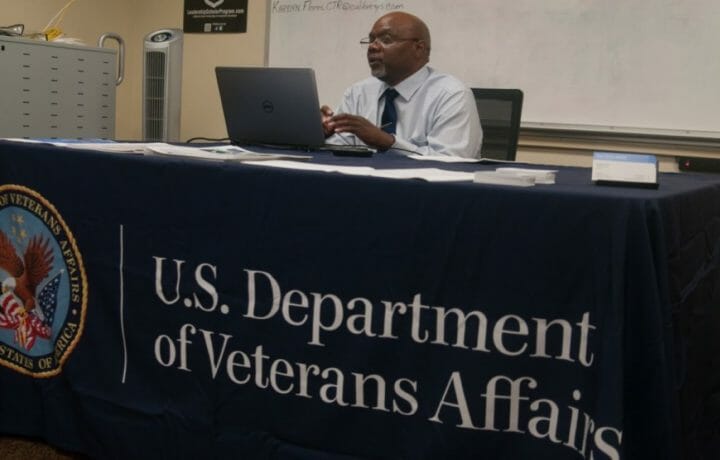
For many veterans, working with a Veteran Service Officer feels like the safest path through the VA disability process. VSOs are supposed to be guides, advocates, translators of bureaucratic language, and champions for the veteran.
So when the experience feels dismissive, slow, ineffective, or unsuccessful, it can feel personal, like the system itself has decided you don’t matter. But here’s the uncomfortable truth: not every bad outcome means your VSO failed you… And not every claim deserves the rating we think it should.
That doesn’t mean veterans should quietly accept poor representation or unfair treatment. It means the situation deserves an honest, grounded look from both sides.
Behind the VSO
VSOs are accredited advocates that emerged from Post-Civil War efforst and were finally recognized in 1930, when the Veterans Administration was created. Since then, they have educated, advised, and represented veterans and their families in securing benefits, including disability, education, and pensions. Following WWII and the creation of the GI Bill in 1944, VSOs became crucial in managing the increase in compensation claims.
These advocates must be accredited by the VA; often, that is accomplished through organizations like the American Legion, the VFW, or state/county agencies. Once certified, VSOs assist with filing claims, navigating appeals, and sometimes even representing veterans in legal claims. According to the National Association of County Veterans Service Officers, in 2014, members were responsible for over $28 billion in federal benefits.
First: What a VSO Can and Can’t Do
VSOs are capable of doing a lot for veterans who seek them out. They help file claims, gather evidence, explain VA processes, and submit appeals. What they don’t do is decide ratings, override VA medical opinions, or manufacture evidence.
Many VSOs are overwhelmed. Some carry hundreds, or even thousands of cases. Others may lack deep experience with complex claims, secondary conditions, or appeals. And like any profession, some are simply better than others.
A lack of results does not automatically mean incompetence, but it does warrant reassessment. This is an important part of researching the VSO that you choose to work with. Do they have the necessary experience, network, or answers?
Signs Your VSO May Not Be the Right Fit
- When a VSO relationship isn’t working, it rarely falls apart all at once. More often, it’s a slow breakdown of trust. Communication starts to feel one-sided. Messages go unanswered for weeks, phone calls aren’t returned, and when contact does happen, it feels rushed or dismissive. Over time, that silence creates doubt. Not just about the claim, but about whether anyone is actively advocating for you on your behalf. And we all know it doesn’t feel good to be ignored about a situation that can affect the rest of your life financially.
- Another warning sign appears when claims are submitted with little explanation. If you’re unsure why a specific condition was filed, why another was left out, or what evidence was used to support the claim, it becomes difficult to feel confident in the process. A veteran should never feel like paperwork is being pushed through without a strategy. When there’s no transparency, it can feel less like advocacy and more like administrative box-checking, which naturally leads a veteran to question whether their case is truly being handled with care.
- Dismissive responses are another red flag. When questions are brushed off with vague reassurances like “that’s just how the VA works” or “we’ll see what happens,” it sends the message that your concerns are inconvenient rather than important. Veterans often come into the claims process already carrying frustration, pain, or uncertainty. When a VSO doesn’t take the time to explain why something is happening, it can amplify feelings of being ignored. Feelings many veterans are all too familiar with from their time in service.
- A lack of familiarity with your specific conditions or service history can also undermine confidence. If you find yourself repeatedly explaining the same injuries, timelines, or diagnoses, it raises a fair question about how closely your case is being reviewed. Every claim has nuances, and when those details aren’t understood or remembered, it becomes harder to believe that the strongest possible case is being presented on your behalf.
- Finally, there’s the issue of perpetual waiting without context. The VA process is slow, and most veterans understand that. What becomes difficult to accept is being told to “just wait” without any explanation of what stage the claim is in, what evidence is missing, or what—if anything—can be done in the meantime. When waiting is paired with silence, it can feel less like patience and more like neglect.
Added together, these experiences don’t automatically mean a VSO is bad at their job. Many are overworked, understaffed, and constrained by the system they operate in. But when communication breaks down and transparency disappears, it is natural to feel as though the trust is starting to fade. It’s reasonable, and obligatory, for a veteran to reconsider whether that particular VSO is the right advocate for them. Self-advocacy sometimes means recognizing when a relationship isn’t serving your best interests and having the courage to seek a better fit.
Advocacy requires partnership. If you feel like a file number instead of a person, that’s a signal, not an insult.
What You Can Do If You’re Unhappy With Your VSO
Veterans are not locked into one representative. You can:
- Change to a different VSO organization (DAV, VFW, American Legion, county/state VSOs, etc.)
- Seek an accredited claims agent or attorney, especially for appeals
- File claims on your own if you’re organized and informed
- Request clarification and documentation before walking away
Switching representation is not betrayal. It’s self-advocacy.
The Harder Conversation: Expectations vs. Evidence
Now for the part most articles avoid. Not every condition qualifies for a compensable rating. Not every injury results in long-term functional impairment. And not every diagnosis meets the VA’s criteria for service connection or severity.
Feeling harmed by the service is valid. Wanting recognition is human. But VA disability is not based on effort, sacrifice, or how much the service “took from you.” It is based on medical evidence, nexus, and measurable impact on daily functioning.
Sometimes a VSO isn’t failing; you’re just running into the limits of what the evidence supports.
Common Disconnects That Lead to Frustration
Veterans often believe:
- “I was hurt, so I should be compensated.”
- “I know my body better than the VA.”
- “Other vets got higher ratings for less.”
- “The VSO should fight harder.”
How the VA Actually Evaluates Claims
The VA does not operate on personal conviction, moral weight, or how much service may have taken. It operates on what you can prove with documentation. Something that all veterans have heard before exiting the service is ‘go to sick call’ and ‘get it documented’. Every decision begins with the same fundamental question: Is there evidence in the record that supports what is being claimed? If something is not documented, either during service or through post-service medical records, it becomes significantly harder for the VA to recognize it, regardless of how real or impactful it feels to the veteran.
Beyond documentation, the VA looks for a clear and defensible connection between military service and the condition being claimed. This “nexus” is often where claims succeed or fail. A veteran may be dealing with a legitimate health issue, but if medical professionals cannot reasonably link that condition to service, the VA is unlikely to grant service connection. This isn’t a judgment on the veteran’s experience; it’s a requirement of the system.
Even when a condition is service-connected, the VA then evaluates whether it meets the criteria for a rating ‘deserving’ of compensation. Diagnoses alone are not enough. The VA uses standardized rating schedules that focus on severity, frequency, and functional impact. Two veterans can have the same diagnosis and receive very different ratings based on how the condition affects their daily lives, work, and ability to function.
Finally, the VA assesses whether the impairment is ongoing and measurable. Conditions that are intermittent, well-controlled, resolved, or minimally disruptive may not qualify for higher ratings, even if they were once severe. The VA’s focus is on current, demonstrable impact, not past hardship.
This is where frustration often turns toward the VSO. But no representative, no matter how skilled or dedicated, can overcome missing documentation, weak medical opinions, or criteria that simply are not met. A VSO can help organize, present, and explain what exists, but they cannot create evidence where none exists. In the VA system, if it isn’t on paper and supported by a medical rationale, it effectively doesn’t exist.
When the Rating Feels Personal but Isn’t
A low or denied rating can feel like the VA is minimizing your experience or questioning your integrity. That emotional reaction is real, but try to remember that the ‘system’ isn’t making a moral judgment. It’s making a technical one.
Understanding that difference doesn’t make disappointment disappear, but it does help veterans decide their next move logically instead of emotionally.
Productive Next Steps for Veterans
If your claim didn’t go the way you hoped:
- Request and read your decision letter carefully
- Understand why the VA decided what it did
- Ask: Is this an evidence issue, a medical issue, or an expectation issue?
- Decide whether:
-
- Additional medical evidence exists
- A nexus letter is realistic
- An appeal is warranted
- Or acceptance is healthier than prolonged battle
There is no shame in any of those choices.
Advocacy Also Means Self-Honesty
Real advocacy isn’t just fighting the system, but it is also knowing when the system isn’t wrong, even if it’s disappointing. A good VSO tells you the truth, not just what you want to hear. And a strong veteran is one who can separate validation from verification.
- You deserved respect during your service.
- You deserve fair consideration now.
- But fairness doesn’t always mean the outcome we imagined.
And that reality doesn’t make you weak; it makes you informed.
How to Correctly Find Your VSO
If a veteran decides it’s time to seek new representation, the most important step is ensuring the next VSO is properly accredited. The Department of Veterans Affairs maintains an official database of accredited Veteran Service Officers, claims agents, and attorneys, which allows veterans to confirm that a representative is certified and authorized to assist with VA claims. Working through recognized organizations such as the DAV, VFW, American Legion, or state and county veterans offices can also help ensure accreditation, though certification should always be verified directly through the VA.
Veterans should feel empowered to ask questions before signing any representation paperwork. Confirming accreditation status, understanding a VSO’s experience with claims or appeals, and ensuring they are listed correctly on VA Form 21-22 or 21-22a protects both the veteran and the claim. Choosing a VSO isn’t about convenience or loyalty. It’s about trust, communication, and competence. When those elements are in place, veterans are far better positioned to navigate the system with clarity and confidence, even when the outcome isn’t exactly what they hoped for.


