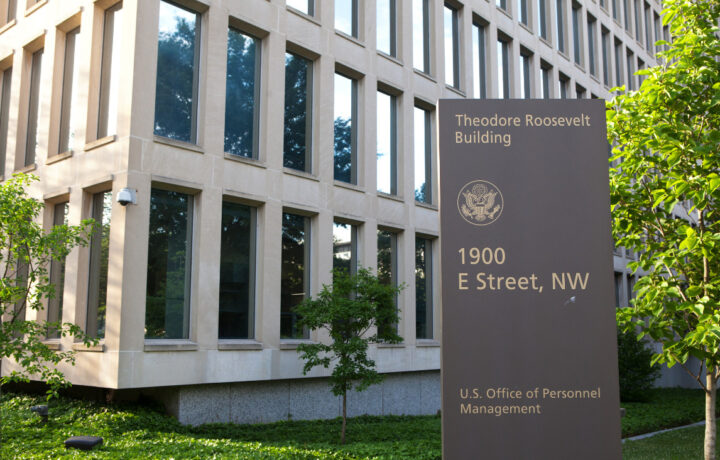
On June 2, the Office of Personnel Management (OPM) issued a significant final rule that will affect millions of federal employees, retirees, and Postal Service workers.
The new regulation requires federal agencies to verify the eligibility of all family members enrolled in the Federal Employees Health Benefits (FEHB) Program and the Postal Service Health Benefits (PSHB) Program. This marks one of the most substantial changes in integrity and compliance at the federal health insurance administration in more than a decade.
REASONING BEHIND THIS INITIATIVE
The rule was prompted by a series of Government Accountability Office (GAO) reviews and congressional directives highlighting the financial impact of ineligible dependents being carried on federal health plans. GAO estimated that the federal government may have been paying hundreds of millions of dollars annually for individuals who did not meet FEHB or PSHB eligibility requirements. In response, Congress directed OPM to establish a uniform, government‑wide verification process to ensure that only eligible spouses, children, and other qualifying dependents remain on federal health plans.
IMPLEMENTATION
Under the new regulation, agencies must implement a structured process to confirm the eligibility of every family member currently enrolled or added in the future. This includes collecting and reviewing documentation, such as marriage certificates, birth certificates, adoption papers, and other legal records, that demonstrate the relationship between the enrollee and the covered dependent. Agencies will also be required to maintain records of verification and ensure that any questionable or incomplete documentation is resolved promptly.
IMPACT
For employees and retirees, the most immediate impact will be the expectation of providing proof of dependent eligibility upon request. While many agencies have conducted limited verification efforts in the past, the new rule establishes a mandatory, standardized process across the federal government. Individuals who cannot provide the required documentation may see dependents removed from coverage, and in some cases, agencies may pursue retroactive premium adjustments if ineligible family members were enrolled.
The regulation also applies to the Postal Service Health Benefits Program, which fully replaced FEHB coverage for postal employees and annuitants beginning in 2025. The timing of the new rule ensures that PSHB plans launch with a clean, verified enrollment base, reducing the risk of improper payments and strengthening the program’s long-term financial stability.
OPM’s GOAL
The goal of the rule is not to create unnecessary administrative burdens but to protect the integrity of federal health programs and ensure that taxpayer dollars are used appropriately. Agencies will receive implementation guidance, timelines, and standardized procedures to help streamline the verification process. OPM also noted that most employees and retirees will experience minimal disruption, provided they can supply the required documentation when asked.
As agencies begin rolling out verification requests, federal workers and retirees should review their records and ensure they have access to the necessary documents. The new rule represents a major shift in how dependent eligibility is managed, and proactive preparation will help avoid delays or coverage interruptions.


