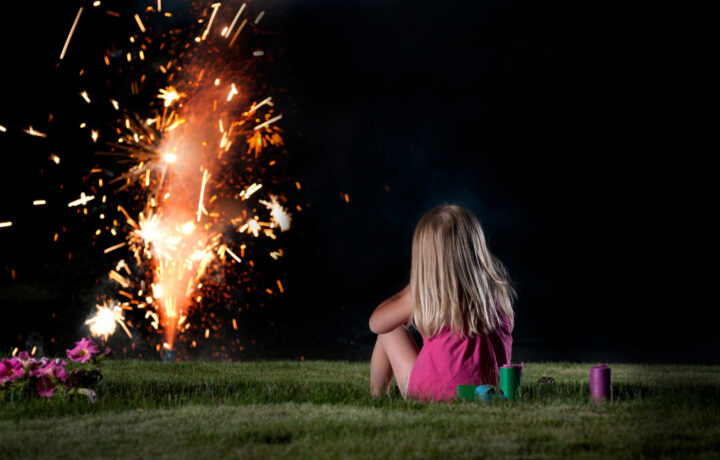
For many Americans, the 4th of July means backyard barbecues, family gatherings, and the excitement of fireworks lighting up the night sky. For some veterans, however, those same explosions can create a much different experience.
Fireworks can trigger anxiety, hypervigilance, and traumatic memories that make the holiday one of the most difficult weekends of the year.
Not every veteran experiences fireworks this way. Many enjoy them without issue, while others prefer to know when they’re coming. But for those living with PTSD, the sudden sound of explosions, flashes, and unpredictability can resemble the sounds and sensations of combat.
Why Fireworks Can Be So Difficult
According to mental health experts, fireworks combine several factors that can activate the brain’s threat response:
- Loud, unexpected explosions
- Bright flashes at night
- Repeated startling noises over several hours, and sometimes several days
Those sensory cues can cause flashbacks to traumatic experiences, even years after leaving military service. For cleared professionals, these reactions can also impact sleep, concentration, and emotional regulation during what is often a long holiday weekend before returning to work.
Five Ways to Prepare
For those who are triggered by weekends like this, planning can make a significant difference.
1. Know your neighborhood.
If your community typically starts fireworks days before July 4, prepare earlier than you think you need to.
2. Use noise reduction.
Noise-canceling headphones, ear protection, white noise machines, or calming music can help reduce the impact of unexpected explosions.
3. Create a safe space.
Many veterans choose to stay indoors, close windows, turn on fans or televisions, or spend the evening in a quieter room.
4. Tell trusted friends and family what you need.
You don’t have to explain your entire experience. Simply letting others know that fireworks can be difficult often helps them support you without judgment.
5. Have a backup plan.
Some veterans spend the evening camping, staying with friends in quieter areas, or planning activities away from neighborhoods where fireworks are common.
If You’re Celebrating, Be Considerate
If you’re hosting a 4th of July celebration, a little communication goes a long way.
Consider giving your neighbors, especially if you know they are veterans, an advanced notice before setting off fireworks, limiting late-night explosions, and recognizing that not everyone experiences the holiday the same way. Doing so can help create a more respectful community.
Remember: Everyone’s Experience Is Different
One of the biggest misconceptions is that all combat veterans react the same way. Not true. Some love fireworks. Others avoid them entirely. Many simply dislike the random explosions that begin days before Independence Day rather than the organized displays themselves.
There’s no “right” way to experience the holiday. PTSD affects everyone differently, and needing to take precautions isn’t a sign of weakness. It is simply understanding what helps you stay healthy, both emotionally and mentally.
As millions of Americans celebrate Independence Day, taking a few moments to prepare can help veterans enjoy the weekend on their own terms and return to work next week rested, focused, and ready for whatever comes next. Veterans aren’t asking for special treatment or a handout. They just want to be considered for what we signed up for and came home with.
From a veteran, thank you, and have a wonderful Independence Day!


