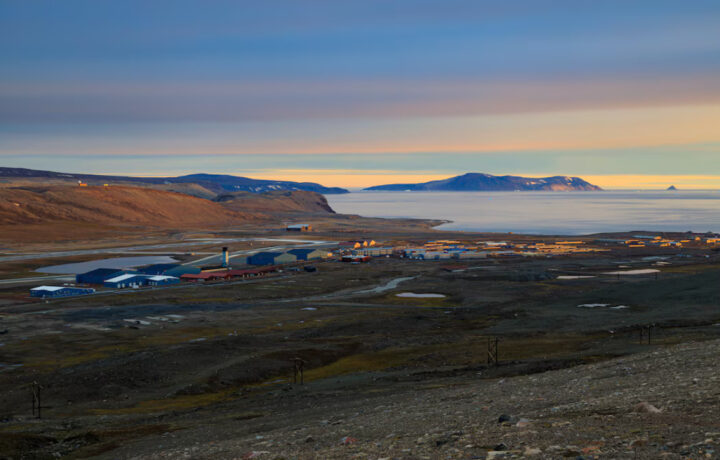
The recently announced security agreement between the United States and Denmark – granting the U.S. expanded and “permanent” control over security operations in Greenland – marks one of the most significant Arctic policy shifts in decades. While the agreement preserves Danish sovereignty, it substantially increases U.S. military access and operational responsibility across the strategically vital island. This development will have far‑reaching implications for the federal workforce, particularly within defense, homeland security, intelligence, and civilian support agencies.
A Strategic Expansion of Military Presence
President Trump’s announcement confirms that the United States will bolster its military footprint in Greenland, building on long‑standing defense arrangements dating back to the Cold War. Greenland already hosts critical U.S. assets, including missile-warning and space-surveillance infrastructure, but the new agreement signals a shift from episodic cooperation to a more permanent operational posture.
For the military workforce, this means expanded deployments, new rotational assignments, and increased staffing at Arctic installations. The Air Force, Space Force, Army Corps of Engineers, and Defense Logistics Agency are likely to see the most immediate personnel impacts. Additional billets will be required to support construction, maintenance, communications, intelligence, and environmental operations in extreme‑weather conditions.
Growth in Civilian Federal Roles
Beyond uniformed personnel, the agreement will generate new demand for civilian federal employees. Agencies such as the Department of Defense, Department of State, NOAA, and DHS will need specialists in Arctic policy, environmental monitoring, logistics, treaty compliance, and international coordination.
The Defense Department’s civilian workforce may see expanded hiring for engineers, analysts, procurement officers, and program managers overseeing Arctic infrastructure and technology modernization. The State Department will require additional diplomatic and administrative staff to manage trilateral coordination with Denmark and Greenland’s autonomous government.
Operational and Workforce Challenges
The expansion presents several workforce challenges. Arctic operations require specialized training, resilience, and logistical sophistication. Recruiting and retaining personnel willing to serve in remote, harsh environments has historically been difficult. Agencies may need to offer incentives, hardship pay, and accelerated career‑development pathways to attract qualified candidates.
Additionally, the agreement’s emphasis on “permanent control over security” raises questions about long‑term staffing models. Agencies will need to balance permanent stationing with rotational deployments to avoid burnout and maintain readiness.
Implications for Interagency Coordination
The agreement will also reshape interagency collaboration. Homeland security, intelligence, and scientific agencies will work more closely with the military to monitor Arctic activity, climate impacts, and geopolitical developments. This increased coordination may lead to new joint offices, shared data systems, and cross‑agency training programs.
A New Era for the Federal Workforce
Ultimately, the Greenland agreement signals a broader shift in U.S. strategic priorities. As Arctic competition intensifies, federal agencies will expand their presence, capabilities, and workforce to meet emerging national‑security demands. For federal employees – military and civilian alike – the agreement represents both an operational challenge and a historic opportunity to shape America’s role in the rapidly changing Arctic region.


