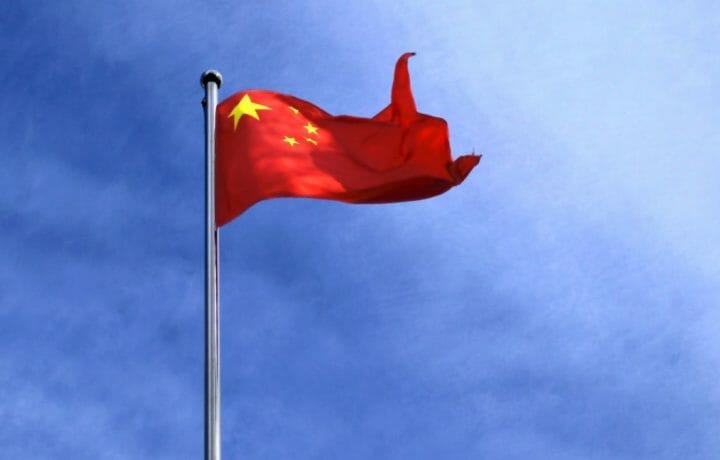
China remains a common destination for business, tourism, and family visits. For security clearance holders, however, a trip to China raises questions that do not ordinarily arise with domestic travel.
Can you go to China if you hold a security clearance? Will your security office approve the trip? Could simply traveling there jeopardize your clearance?
In our practice, we have found that foreign travel questions are often misunderstood. Holding a security clearance does not, by itself, create a blanket prohibition against personal travel to China or other countries whose interests may be opposed to the United States. But travel to China can present heightened security and counterintelligence concerns, and clearance holders should address those concerns before purchasing a ticket.
Report the Trip Before You Go
Security Executive Agent Directive 3 (SEAD 3) establishes foreign travel reporting requirements for covered individuals with access to classified information or who occupy sensitive positions.
For cleared contractors under Department of War / Defense security rules, unofficial foreign travel generally must be reported to the Facility Security Officer (FSO) before leaving for your trip. DCSA guidance calls for information including the travel itinerary, passport information, foreign-national traveling companions, and planned contacts with foreign governments, companies, or citizens.
Federal employees should follow their agency’s security procedures. Individuals with SCI, SAP, or other special accesses may face additional requirements prior to such travel. In short, do not assume that buying a plane ticket and telling your security office afterward is sufficient. Get approval first.
Can the Government Tell Me I Cannot Go?
Potentially, yes. SEAD 3 provides that an agency may disapprove unofficial foreign travel when it determines that the trip presents an unacceptable risk and that the physical safety of the individual or classified information cannot reasonably be ensured.
Ignoring such a disapproval can have serious consequences, including possible administrative action affecting national security eligibility. If you ignore the denial, a federal employee or contractor can be terminated and/or lose their security clearance.
China is not automatically “off limits” to every clearance holder, but whether a particular person can make a particular trip may depend on the individual’s agency, position, access, itinerary, and security concerns involved.
Why Does China Receive Additional Attention?
China presents substantial counterintelligence considerations for individuals associated with the U.S. government and cleared community.
The State Department currently advises Americans to exercise increased caution in mainland China. Its September 2026 advisory cites arbitrary enforcement of local laws, exit bans, and the risk of unjust arrest or detention. The advisory specifically notes potential heightened scrutiny of individuals with current or former connections to the U.S. government, military, law enforcement, or intelligence community.
For a clearance holder, those concerns can take on additional significance because the individual may possess information of intelligence value even if they have no intention of discussing classified information.
Be Particularly Careful With Electronic Devices
Clearance holders should also think carefully about what technology they bring with them.
The State Department’s current China advisory warns travelers to assume that Chinese security services can read emails, texts, and social media communications sent to or from China. A clearance holder should therefore obtain a security briefing and follow agency or company instructions concerning laptops, smartphones, removable media, and other electronic devices.
Foreign Contacts Can Create Separate Reporting Issues
The trip itself may not be the only reportable event. Suppose you travel to China to visit relatives, meet friends, attend a wedding, or spend time with a romantic partner. Those relationships may independently implicate foreign-contact reporting requirements.
Similarly, if someone approaches you during the trip and appears unusually interested in your government employment, clearance, technical knowledge, or access to information, that encounter should not simply be dismissed as casual conversation.
SEAD 3 contains separate reporting requirements for certain foreign contacts, and suspicious contacts should be promptly reported to the appropriate security office.
What If I Have Family in China?
Having relatives in China does not automatically prevent someone from holding a security clearance or traveling there.
However, close family relationships in China may raise separate issues under Guideline B – Foreign Influence, depending on the circumstances.
The government may consider the nature of the relationship, frequency of contact, the relatives’ occupations or government connections, and whether the relationship could create a potential avenue for pressure, coercion, or exploitation.
The important issue is candor. Clearance holders should ensure that required foreign contacts have been properly disclosed and should not attempt to conceal the true purpose of a trip.
What Should You Do Before Traveling?
For a clearance holder considering personal travel to China, the best approach is to involve the security office early.
Report the proposed travel before departure, provide complete information about the itinerary and planned contacts, obtain any required counterintelligence or defensive security briefing, and follow instructions concerning electronic devices.
You should also understand what must be reported after returning, including significant foreign contacts, suspicious approaches, unexpected interactions with government officials, itinerary changes, or other unusual incidents.
Individuals with SCI or SAP access should be particularly careful because their programs may impose requirements beyond the general SEAD 3 rules. One DOHA case illustrates, in part, some of the problematic issues associated with a clearance holder not reporting foreign travel.
Final Thoughts
So, can you travel to China with a security clearance?
Yes, in most cases. However, you shouldn’t treat it like an ordinary vacation. A security clearance does not automatically prohibit travel to China. At the same time, SEAD 3 reporting and approval requirements, agency-specific restrictions, special-access requirements, foreign contacts, and counterintelligence concerns can all affect whether and how the trip occurs.
The safest approach is to speak with your FSO or agency security office before making nonrefundable travel plans.
This article is for informational purposes only and should not be construed as legal advice. SEAD 3 requirements, agency-specific foreign travel restrictions, SCI and SAP requirements, State Department travel guidance, and security clearance policies may change, and readers should consult their security office or counsel regarding their specific circumstances.


