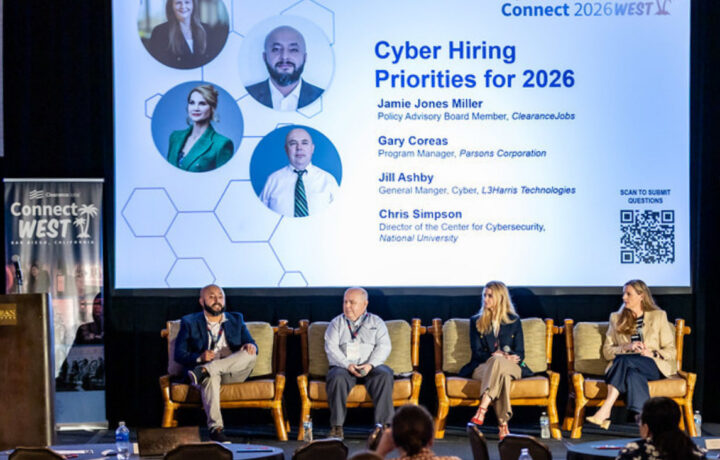
As cyber threats evolve at unprecedented speed—driven in large part by AI—organizations are racing to build a workforce capable of keeping up. But according to experts at ClearanceJobs Connect West, the challenge isn’t just about finding talent. It’s about understanding it.
AI-enabled attacks are redefining the cybersecurity landscape, allowing adversaries to operate faster and at greater scale than ever before. In response, demand is surging for specialized roles across both offensive and defensive cyber operations. Positions like vulnerability researchers, reverse engineers, and exploit developers are becoming increasingly critical—and increasingly competitive.
Yet despite thousands of open roles, many employers struggle to fill them. The issue? A growing mismatch between hiring expectations and available talent. Companies often seek “unicorn” candidates—professionals with years of experience in emerging technologies that haven’t existed long enough to justify those requirements.
At the same time, entry-level talent is abundant, but frequently overlooked. Universities are producing thousands of cyber graduates each year, but without clearer pathways into the workforce, many remain underutilized.
The solution may lie in shifting hiring strategies. Panelists emphasized the importance of clearly defining job requirements, improving communication between recruiters and hiring managers, and focusing on transferable skills rather than rigid checklists.
Equally important is retention. Cyber professionals are highly mobile, often drawn to organizations that offer purpose, flexibility, and strong leadership. Without those elements, even the best hires won’t stay long.
Ultimately, the future of cyber hiring depends on balance—between speed and precision, specialization and scalability, and expectations and reality.


