AI is often brought up when discussing job automation, cybersecurity tools, and workforce disruption. But one of its most meaningful applications may be helping veterans regain a level of independence that many thought was lost forever.
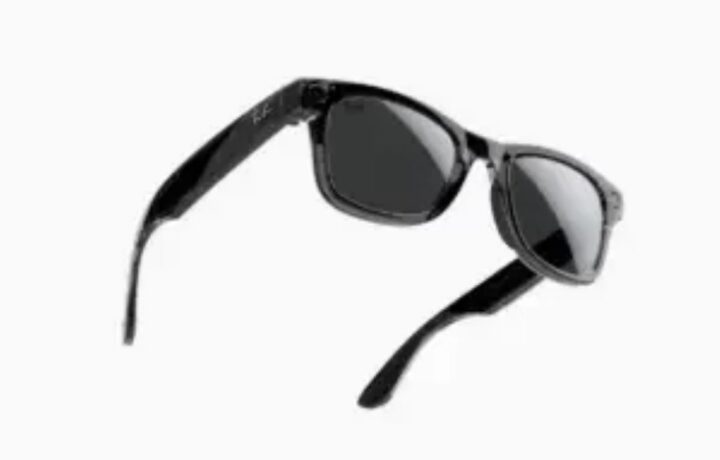
Meta announced over the summer that it will provide free Ray-Ban Meta AI glasses to legally blind veterans in the United States. That number is currently more than 130,000. The company has already distributed glasses to some veterans. Developed with the Blinded Veterans Association, the initiative aims to put AI-powered assistive technology directly into the hands of veterans who have lost their vision. Training and support will also be provided to help recipients learn to use the devices effectively.
The announcement highlights a growing reality: AI is becoming one of the most powerful accessibility tools available to veterans.
A New Mission for Artificial Intelligence
For many people, AI means chatbots, image generators, or productivity tools. For blind and low-vision veterans, AI can mean something much more personal: a fresh start.
The Ray-Ban Meta glasses use built-in cameras and multimodal AI to describe surroundings, read signs and documents aloud, identify objects, recognize items in a room, and assist with everyday navigation through voice commands.
For Army veteran Don Overton, who lost his eyesight during Desert Storm, the technology was transformative. According to Meta, the glasses restored a level of independence that decades of adaptive technologies had not fully achieved.
“When I lost my eyesight in Desert Storm from a bunker explosion, I also lost my independence. The moment I put on my Ray-Ban Meta glasses, I got my independence back,” Don Overton, a blind veteran of the US Army’s 82nd Airborne Division, told Meta.
That story illustrates how AI is increasingly moving beyond convenience and into the realm of quality-of-life improvements.
The Veteran Technology Gap
Veterans have historically been among the first groups to benefit from major advances in adaptive technology. Prosthetics, mobility devices, hearing aids, and rehabilitation programs have all evolved significantly through partnerships between government agencies, nonprofits, and private industry.
Artificial intelligence may be the next major leap.
Researchers and accessibility advocates have spent years exploring how wearable AI can help blind and visually impaired users interpret the world around them. Modern AI-powered glasses can handle tasks that once required multiple devices, including optical character recognition, object detection, scene description, and real-time voice assistance.
For veterans living with service-connected disabilities, that means fewer barriers to employment, education, travel, and daily life.
What This Means for the Cleared Workforce
The national security community is constantly discussing how AI will change jobs. This story highlights another side of the conversation: how AI can help more Americans participate in the workforce.
Many veterans with disabilities continue working in government, defense contracting, cybersecurity, intelligence, and other cleared professions. Technologies that improve accessibility can expand opportunities for skilled professionals who might otherwise face limitations in traditional work environments.
As agencies and contractors invest heavily in artificial intelligence, accessibility may become one of the most impactful applications of the technology. The future of AI won’t be defined solely by what tasks machines can perform. It may also be measured by how effectively these tools help people overcome obstacles and maintain their independence.
For thousands of blind veterans, that future may already be arriving, one pair of smart glasses at a time.
If you are interested in a pair of Meta glasses, you can follow this link here or visit the Blinded Veterans Association website. You must be a member of the BVA before you can apply to the program.


