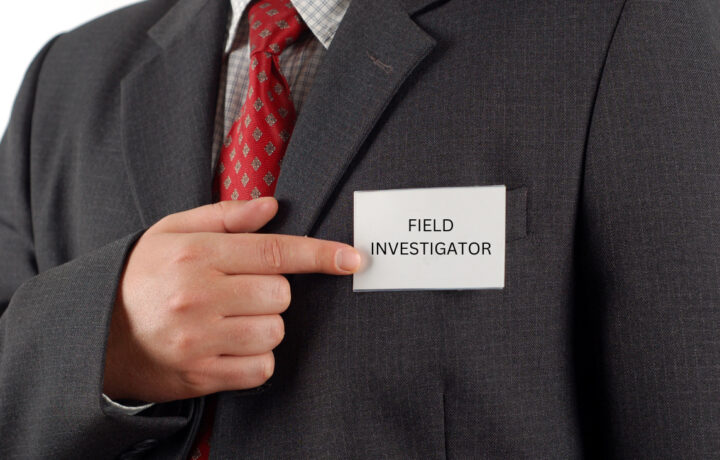
If you’ve ever wondered what it’s really like to work as a background investigator, one of the most interesting conversations in the ClearanceJobs community comes from an investigator reflecting on his first year on the job. Years after it was originally posted, the thread is still helping aspiring investigators understand what the career is actually like, beyond the job description.
The investigator, a former Marine with a criminal justice degree, admitted that before accepting the position, most of what he found online painted a pretty discouraging picture. His own experience, however, ended up being much more positive.
“My first couple of months on my own was kind of a train wreck,” he wrote, describing the steep learning curve after training. Reopened cases, challenging interviews, and figuring out how to write reports that could withstand quality review made for a difficult start. But as the months went on, so did his confidence.
“Over time I’ve learned to ask detailed questions in order to get a detailed response, and now people would be hard pressed to say that my reports aren’t thorough.”
One of the biggest surprises? No two days looked the same. Instead of spending every day behind a desk, investigators are constantly on the move, meeting people wherever the investigation takes them.
“I’ve done interviews next to an Abrams tank, underneath the wing of a jet, inside a vault, in the bottom of a Coast Guard ship, in the parking lot of a Home Depot, in the pilot’s seat of a helicopter, on a sailboat, or even just a Starbucks,” he shared. “You just never know where you’ll end up.”
The flexibility of the role was another unexpected perk. While the workload can feel intimidating at first, he explained that learning how to organize interviews by location and plan ahead made all the difference. “I refuse to give any free time to my company and I never work more than 40 hours a week,” he wrote, explaining that he often packed interviews into Mondays and Tuesdays, leaving the rest of the week for report writing and follow-up work.
Throughout the discussion, one theme came up again and again: professionalism. Applicants and references are often nervous, and investigators have the opportunity to set the tone.
“Treat everyone you meet as politely as possible,” he advised. “A lot of people have done stuff in their past that they’re not proud of and they hate talking about it.”
He also emphasized the basics that can have a big impact, showing up on time, dressing professionally, and remembering that these are interviews, not interrogations. Other investigators in the community were quick to echo that advice.
“This is really good and similar to my experience as a contractor and Fed,” one commenter wrote, adding that professionalism, punctuality, and appearance go a long way in building trust during interviews.
For others, the thread helped solidify their decision to pursue the career.
“I am currently in the process of being hired as a field investigator, and this information was very helpful in me deciding to move forward with the application process,” one reader shared.
Another, preparing to begin training, wrote, “Having read your info I’m now a lot more excited about the position.”
Beyond career advice, the discussion evolved into a practical resource covering everything from training and report writing to protecting personally identifiable information and balancing national security responsibilities with treating applicants fairly and respectfully.
For anyone considering a career as a background investigator, or simply curious about what happens after you hit submit on your SF-86, the thread offers an honest look behind the scenes. Yes, the work involves long days, detailed reports, and difficult conversations. But it also offers something many people don’t expect. A career built on curiosity, integrity, and the opportunity to play a meaningful role in protecting national security, one interview at a time.
You can read the full thread here.
Much about the clearance process resembles the Pirate’s Code: “more what you’d call guidelines than actual rules.” For this reason, we maintain ClearanceJobsBlog.com – a forum where clearance seekers can ask the cleared community for advice on their specific security concerns. Ask CJ explores questions posed on the ClearanceJobs Blog forum, emails received, and comments from this site. This article is intended as general information only and should not be construed as legal advice. Consult an attorney regarding your specific situation.


