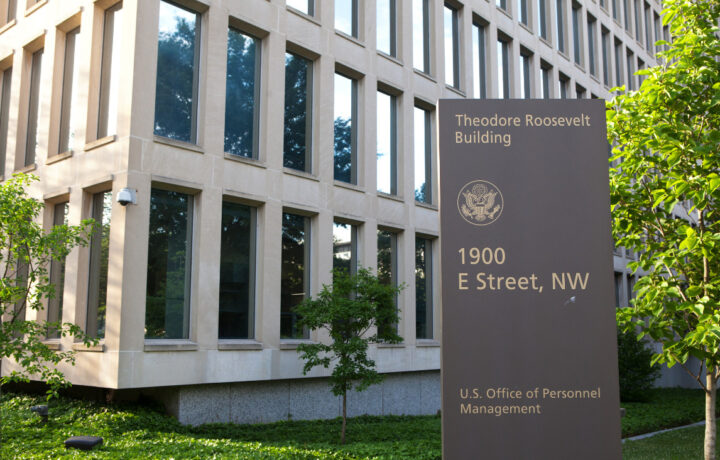
The Office of Personnel Management (OPM) has issued new Governmentwide Guidance establishing a standardized staffing cycle for Fiscal Year 2027. This directive, released July 30, 2026, implements Executive Order 14356, Ensuring Continued Accountability in Federal Hiring, and marks a significant shift toward more strategic, data‑driven workforce planning across federal agencies.
A MORE DISCIPLINED ANNUAL STAFFING CYCLE
Under the new guidance, agencies must develop Annual Staffing Plans (ASPs) at the start of each fiscal year. These plans are designed to align hiring decisions with mission requirements, budget realities, and long‑term workforce needs. Each ASP must include:
- A detailed hiring forecast
- Mission‑critical staffing priorities
- Budget‑aligned billet planning
- Quarterly updates to maintain transparency and accountability
OPM has also proposed a regulation (5 CFR 250.205) that would formally establish ASPs as a recurring requirement, reinforcing the shift toward consistent, governmentwide workforce planning.
MISSION‑DRIVEN HIRING TAKES CENTER STAGE
A core theme of the 2027 guidance is the move away from vacancy‑driven hiring toward mission‑driven workforce planning. Agencies are instructed to:
- Identify workforce gaps tied directly to mission delivery
- Prioritize mission‑critical, technology, and early‑career roles
- Reserve billets and budget for these priority hires
- Strengthen governmentwide visibility into staffing needs
This approach is intended to modernize federal hiring and ensure agencies are strategically positioned to meet evolving mission demands.
EXPANDING HIRING BEYOND WASHINGTON, D.C.
OPM is encouraging agencies to broaden their geographic footprint by shifting hiring outside the Washington, D.C. metro area whenever mission requirements allow. Customer‑facing roles, field positions, and many technology jobs are strong candidates for regional or remote placement. This decentralization aims to expand the talent pool, strengthen community presence, and reduce geographic concentration of federal jobs.
TSP to Roth Changes: What Federal Employees Need to Know
BUILDING TECHNOLOGY AND CYBER TALENT PIPELINES
The guidance places particular emphasis on recruiting technology, AI, and cybersecurity talent. Agencies must reserve dedicated billets and budget for tech hiring and leverage programs such as the Tech Force to fill critical digital roles. This reflects the government’s broader modernization goals and the increasing importance of digital capability across federal missions.
STRENGTHENING MERIT PRINCIPLES AND ACCOUNTABILITY
The ASP framework reinforces merit‑based hiring by requiring agencies to justify staffing priorities with data, improve transparency in hiring decisions, and maintain quarterly accountability updates. The goal is to reduce ad‑hoc hiring, improve budget discipline, and ensure agencies are prepared for emerging mission needs.
WHAT AGENCIES SHOULD EXPECT IN FY 2027
As agencies prepare for the new staffing cycle, they should focus on:
- Conducting bottom‑up workforce planning early in FY 2027
- Prioritizing mission‑critical and technology roles
- Expanding regional and remote hiring
- Preparing quarterly ASP updates
- Aligning hiring forecasts with budget constraints
OPM’s 2027 staffing guidance represents a major modernization of federal workforce planning – one that emphasizes mission alignment, technology readiness, geographic diversification, and stronger accountability.


