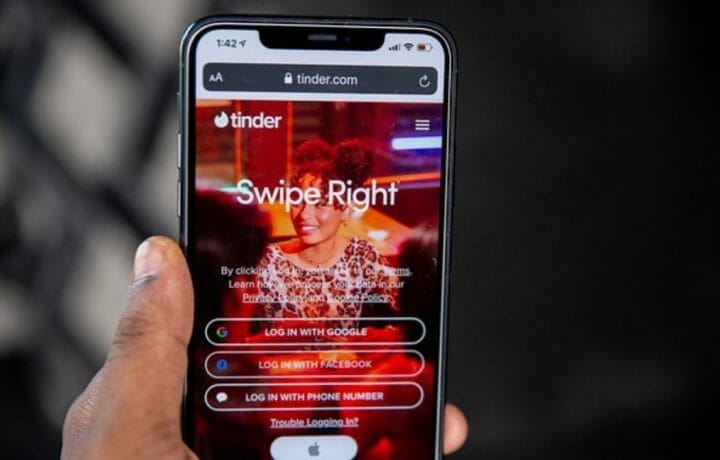
Security clearance holders know that foreign contacts and certain changes in personal relationships can carry reporting requirements. But what happens when you simply start dating someone?
Do you need to tell your Facility Security Officer (FSO) after the first date? What if the person is a foreign national? What if you met online? And at what point does an ordinary dating relationship become something the government expects you to report?
After more than 25 years representing security clearance holders and applicants, I have found that these questions often cause unnecessary confusion. The basic rule is that not every dating relationship must be reported simply because you hold a security clearance. However, certain relationships can trigger reporting obligations, particularly when the person is a foreign national or the relationship develops into cohabitation or another reportable personal status.
Dating a U.S. Citizen
For most clearance holders, simply beginning to date another U.S. citizen does not automatically trigger a SEAD 3 reporting requirement. That can change depending on how the relationship develops.
For example, SEAD 3 contains reporting requirements involving marriage, civil unions, domestic partnerships, and cohabitation for certain covered individuals. Individuals with SCI, SAP, or agency-specific requirements may also be subject to additional reporting rules.
The government generally is not interested in every dinner date you have. It is interested in relationships that meet established security reporting criteria.
Dating a Foreign National Can Be Different
Dating a foreign national deserves closer attention. Under SEAD 3, a continuing association with a known foreign national can become reportable when it involves bonds of affection, intimate contact, or personal obligation. Certain recurring contacts involving the exchange of personal information can also be reportable.
That means a dating relationship with a foreign national can fairly quickly become the type of relationship that should be disclosed. Importantly, one of the major clearance adjudicators, the Defense Counterintelligence and Security Agency (DCSA) defines a foreign national for these purposes as someone who is not a U.S. citizen or U.S. national. A person who is a dual citizen of the United States and another country is therefore not treated as a foreign national merely because of the second citizenship.
When Does Casual Dating Become Reportable?
This is where the issue becomes less clear. Suppose a clearance holder meets a citizen of France through a dating app and they meet for coffee once. That limited interaction may not constitute a continuing relationship involving bonds of affection, intimacy, or personal obligation.
Now suppose they begin seeing each other every weekend, communicating daily, sharing personal details, and developing a romantic relationship. At that point, the situation changes considerably.
DCSA guidance specifically describes a continuing unofficial association as an ongoing relationship with a known foreign national involving deeper personal connections such as affection, personal obligation, or intimate contact. It does not matter whether the relationship began in person or online.
You generally should not wait until an engagement or marriage before considering whether a foreign romantic relationship has become reportable. We have had a number of issues arise for clients in the past when a marriage to a foreign national goes unreported. We have also had issues where the immigration status of a significant other (foreign national) is either unclear or they are in the United States without authorization. That can raise security clearance and employment concerns.
What If We Met Online?
Online relationships can count. A relationship does not have to begin at work, at a social event, or during foreign travel to become important under SEAD 3.
DCSA guidance makes clear that continuing relationships can be maintained through in-person meetings, telephone calls, social media, or online communications. The important issue is therefore the nature of the relationship, not the platform where the two people met.
A few messages exchanged with someone overseas are very different from a months-long romantic relationship involving frequent communication and the exchange of significant personal information.
What Information Might I Have to Provide?
When a continuing association with a foreign national is reportable, SEAD 3 identifies information that may be requested, including the individual’s name, citizenship, occupation, the nature of the relationship, how long and how frequently you have been in contact, and the current status of the relationship.
For DoD/DoW contractors, reportable foreign contacts generally should be disclosed to the company’s FSO. Federal employees should follow their agency’s reporting procedures.
The purpose is not to investigate your dating life. Foreign-contact reporting allows the government to identify relationships that could potentially create foreign influence, targeting, coercion, or other counterintelligence concerns.
A Common Hypothetical
Consider a cleared defense contractor who meets a foreign national through an online dating application.
Initially, they exchange occasional messages and meet twice for dinner. Several months later, however, they are seeing each other regularly, taking trips together, and discussing moving in together. The employee assumes there is nothing to report because they are not engaged or married. That can be a mistake.
The reporting issue may have arisen much earlier, once the relationship became continuing and involved bonds of affection, intimate contact, personal obligation, or qualifying exchanges of personal information.
Waiting for marriage can therefore miss the point of the foreign-contact reporting requirement and you can land in potential trouble with respect to your security clearance.
Reporting Someone Does Not Mean the Relationship Is Prohibited
Reporting a foreign romantic relationship does not automatically mean that the relationship threatens your clearance. Many clearance holders have spouses, partners, family members, and close friends who are foreign nationals.
Foreign relationships are generally evaluated under Guideline B – Foreign Influence based on the particular circumstances. Relevant considerations can include the nature and closeness of the relationship, the foreign person’s connections, the country involved, and whether the relationship creates a realistic potential for foreign pressure or exploitation.
What If I Forgot to Report the Relationship?
If you realize that a relationship should have been reported earlier, simply continuing not to report it can make the situation worse.
Contact your FSO or agency security office, explain the circumstances, and provide the required information. DCSA warns that failure to report a required unofficial foreign contact can potentially lead to disciplinary action, including loss of clearance eligibility.
An inadvertent misunderstanding followed by prompt corrective action is much different than continuing to hide a significant foreign relationship.
Final Thoughts
An ordinary dating relationship with a U.S. citizen generally does not become reportable merely because you went on a date. But a continuing romantic relationship with a foreign national can trigger SEAD 3 reporting requirements well before engagement or marriage.
The key questions are not simply whether you call someone your boyfriend or girlfriend. Instead, consider the person’s citizenship, whether the relationship is continuing, whether it involves bonds of affection or intimacy, whether significant personal information is being exchanged, and whether your agency or special access program imposes additional requirements.
When in doubt, clearance holders should ask their FSO or agency security office rather than deciding for themselves that a relationship is too casual to matter.
This article is for informational purposes only and should not be construed as legal advice. SEAD 3 requirements, agency-specific reporting obligations, and security clearance policies may change or differ depending on the individual’s position and access. Readers should consult their security office or counsel regarding their specific circumstances.


