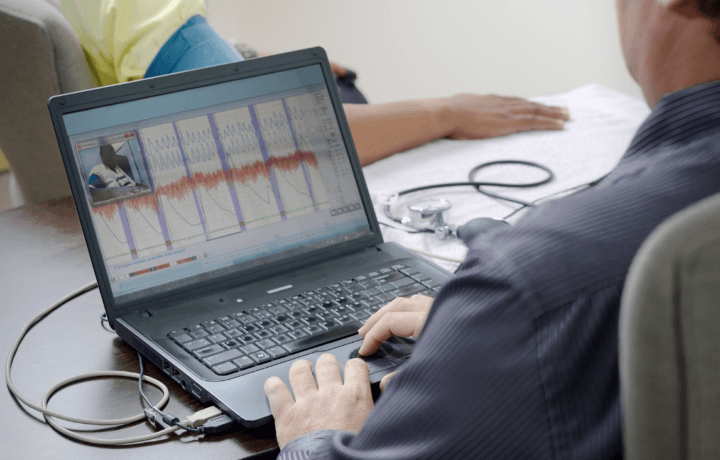
In the national security workforce, a security clearance opens doors. A polygraph can determine which ones stay closed. That’s the focus of the new ClearanceJobs whitepaper, Beyond the Polygraph: Modernizing Trust, Technology, and Talent in the Cleared Workforce, which looks at how polygraph screening has become a workforce challenge.
The delays are real. In 2025, ClearanceJobs reported that some applicants were waiting six months to a year for a polygraph appointment. At affected intelligence agencies, the number of certified examiners reportedly fell by about 30%. That figure is an estimate, but examiners need training, certification and experience, so they can’t be replaced quickly.
For employers, the delays add up. Candidates take jobs without polygraph requirements. Cleared hires wait to start on programs. Recruiting costs climb, and experienced professionals avoid moves that would trigger new screening.
Policy is supposed to help. Under SEAD 7, a qualifying polygraph must be accepted when it’s current and meets the receiving agency’s required type and age. Polygraph upgrades can let a candidate with a current CI exam complete only the lifestyle topics. In practice, reciprocity breaks down. In a January 2024 report, GAO found that 28 of 31 surveyed agencies had experienced situations where their systems lacked the information needed for reciprocity decisions.
Technology may help too. The Department of Defense’s Polygraph+ effort has explored remote sensing, cameras and thermal imaging, and Defense News reported about $31 million tied to the work. But detecting stress isn’t the same as detecting deception. Any AI-enabled tool would need proven validity, privacy protections and human oversight.
The white paper calls for five priorities: expand examiner capacity, make reciprocity the default, standardize upgrade pathways, modernize technology responsibly, and publish meaningful performance data.
The goal is a process that protects national security without keeping qualified people from the mission.
Download the whitepaper here.


