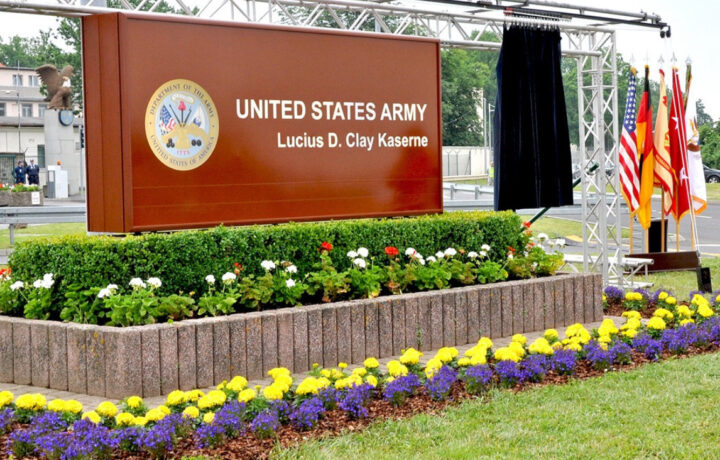
In early January 2026, UK Authorities issued a counterintelligence warning, which appears to be based on the observations of UK NATO staff on temporary duty (TDY) in the Wiesbaden, Germany area. The TDYers, according to media reports, observed unusual monitoring of their movements at a budget hotel near Clay Kaserne and reported it through appropriate channels. The UK warning has subsequently been shared with NATO countries.
The CI win
- Personnel noticing potential anomalies;
- Escalating them responsibly, and
- Prompting an official alert.
This sequence represents the key ingredients of a successful counterintelligence (CI) program in action. Individual awareness has led to timely proactive guidance for others in similar situations.
Incident Overview: Reports from Wiesbaden Hotel Near NATO Hub
According to an exclusive media piece from the i Paper (inews.co.uk), the reported activity involved a functional, low-profile hotel on the outskirts of Wiesbaden, priced around £70 per night and commonly used by international NATO staff because of its proximity to the U.S. Army base at Clay Kaserne, NATO’s primary coordination hub for military support, training, and logistics to Ukraine.
In the first days of January 2026, personnel staying at the hotel reportedly noticed unidentified individuals appearing to observe arrivals, departures, and daily routines. These observations were escalated internally, leading to the UK-issued CI alert that flagged the hotel and similar accommodations near NATO military sites, ports, and other strategic locations in Europe, as logical points of interest for hostile intelligence collection.
A NATO official quoted in the article highlighted the alliance’s ‘hyper-awareness’ of such efforts, noting that Russian intelligence frequently casts a wide net for intelligence gathering. A NATO spokesperson reiterated the measured nature of the response: the alert was intended to reinforce vigilance, not to signal any personnel compromise.
Counterintelligence Travel Briefings: Equipping for Vigilance
U.S. military and civilian personnel on TDY to areas with known foreign intelligence threats, must continue to recieve pre-travel counterintelligence briefings. These briefings should adhere to the guidance provided in SEAD 3 and DCSA standards, as well as any specific nuances generated by the cognizant security authority.
The Wiesbaden reports illustrate the practical benefit of this preparation: when personnel are already attuned to spotting anomalies in routine environments (hotel lobbies, parking areas, or nearby streets), they are more likely to notice and report them promptly.
In addition, the importance of post-travel briefs cannot be understated. These interviews give counterintelligence personnel the grist for the mill to determine patterns of activity that may be sufficiently subtle so as to not raise the individual traveler’s caution flag. These debriefs should, minimally, include:
- Any suspicious activity at your place of lodging?
- What room number were you assigned? (Helps identify potential patterns in room allocation for technical surveillance.)
- Did anyone attempt to elicit information about your duties, unit, or mission?
- Any unexpected or close contacts with foreign nationals?
Responses contribute to broader threat analysis, enabling agencies to detect recurring tactics and refine countermeasures.
More wins on the horizon
The Wiesbaden hotel reports are an example of the security process working as designed. TDY personnel, supported by pre-travel briefings, observant during their assignment, and diligent in their reporting, surfaced potential low-level reconnaissance in sufficient detail to generate a protective warning. “See Something, Say Smething”, results in a CI win.


