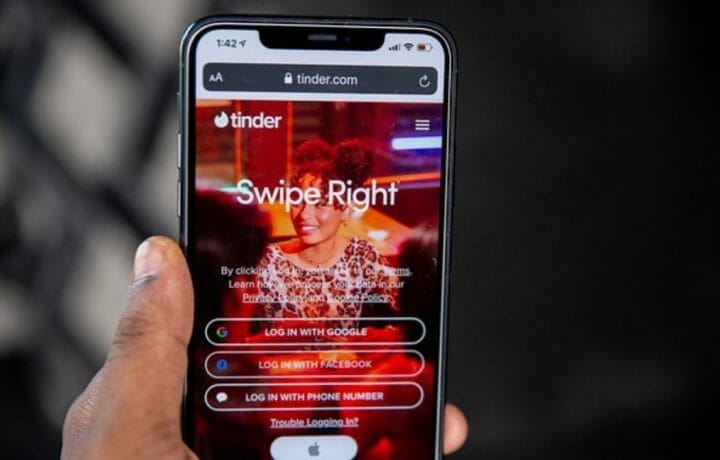
A U.S. Secret Service agent assigned to protect Vice President JD Vance has been placed on administrative leave after allegedly sharing sensitive security information with someone he believed was a Tinder date. According to an investigative report published this week, the interaction was not romantic at all. It was an undercover setup that recorded the agent discussing protective formations, rotations, advance procedures, and travel details tied to the vice president’s security.
Let’s be very clear. This is not a story about party politics. This is a story about judgment, personal responsibility, and a lesson the national security community has repeated for decades.
Loose lips sink ships
The agent, identified as Tomas Escotto, was reportedly recorded describing how protective details operate and even transmitting photos from protected environments, including images sent while traveling aboard Air Force Two. The Secret Service has confirmed his clearance has been suspended, his access revoked, and an internal investigation is underway.
The report also notes that Escotto made political comments critical of immigration enforcement and the Trump administration while identifying himself as a Biden voter. Those details are already drawing predictable reactions online. But focusing on that misses the point entirely.
Regardless of who you vote for, sharing sensitive information with someone you met on a dating app is a career-ending mistake. Full stop.
The Classic Honeypot Trap
This incident has all the hallmarks of a classic honeypot scenario. Someone builds trust quickly. The conversation feels casual. Questions seem harmless at first. Then boundaries slip. Information flows. The person on the other side is not who you think they are.
For clearance holders, this risk is not theoretical. Foreign intelligence services and investigative groups alike have long used romantic or social engineering tactics to extract information. Dating apps, social media, and messaging platforms have only made those tactics easier to deploy and harder to spot.
According to an internal memo cited in the report, Secret Service leadership acknowledged that the agent was deliberately targeted and manipulated using deceptive methods. But they also stated plainly that he failed to meet the standards required of the agency. Both things can be true at the same time.
Being targeted does not excuse disclosing protected information.
A Necessary Reminder
According to the O’Keefe Media Groups, the Secret Service has ordered all personnel to retake anti-espionage training following the incident and issued an apology to the Vance family for the breach of trust. That response underscores how seriously these lapses are taken, regardless of intent.
For anyone working in national security, intelligence, law enforcement, or defense contracting, this is a reminder worth repeating. Your clearance does not end when your shift does. Casual conversations are not casual when classified or sensitive information is involved. And your Tinder date does not need to know how protective details work, where people sit, how movements are planned, or what happens behind secured doors.
Even if you believe the person asking is harmless. Even if you think you are being vague. Even if you feel frustrated, political, or just trying to impress someone.
Telling a stranger details about our nation’s security will always come back to bite you. Whether it was a setup or not, the outcome is the same.


