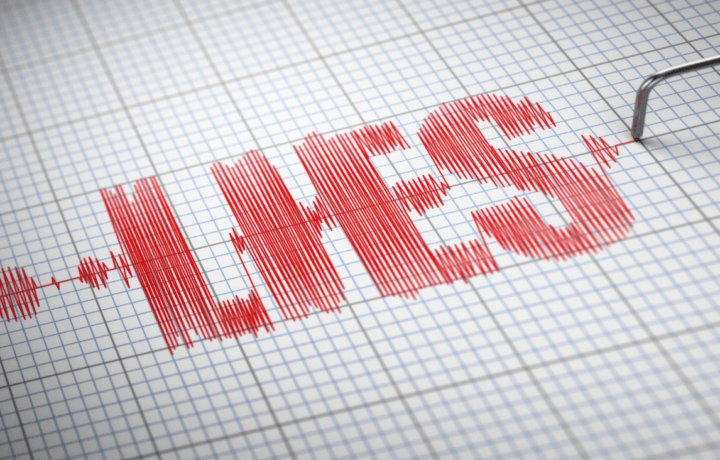
Polygraphs, often called “lie detector tests”, have long been surrounded by mystery, pop culture myths, and a fair amount of anxiety. While they’re frequently portrayed as foolproof truth machines, polygraphs are better understood as tools that measure physiological responses rather than lies themselves.
Amanda Hauck, Sr. Graphic Designer at ClearanceJobs, was once cleared at the TS/SCI level and went through the process of a full scope polygraph while supporting an IC customer. She joins the Security Clearance Careers Podcast to shed light on the topic for listeners.
A polygraph test works by recording several bodily reactions at the same time. These typically include heart rate, blood pressure, breathing patterns, and skin conductivity (how much you sweat). The idea is that when a person experiences stress or anxiety, such as when being deceptive, these physiological responses may change in noticeable ways.
During a standard polygraph exam, a trained examiner asks a series of questions while monitoring these responses. The questions usually fall into three categories:
- Relevant questions related to the issue being examined
- Control questions designed to establish baseline reactions
- Irrelevant questions that help keep the subject at ease
By comparing reactions across these question types, the examiner looks for patterns that may suggest deception or truthfulness.
It’s important to understand what polygraphs can and can’t do. A polygraph does not detect lies directly, nor does it read thoughts or intentions. Instead, it measures physiological stress, which can be influenced by many factors, including nervousness, fear, confusion, or even fatigue. Because of this, polygraph results are best viewed as one piece of information rather than definitive proof.
Polygraphs are commonly used in government, law enforcement, and national security settings, particularly during pre-employment screening or periodic evaluations. Their value lies in encouraging honesty and clarifying information, not delivering absolute judgments.
For beginners, the key takeaway is simple: polygraphs are tools, not magic. Understanding how they work can help reduce anxiety, clear up misconceptions, and put the process into proper perspective.


