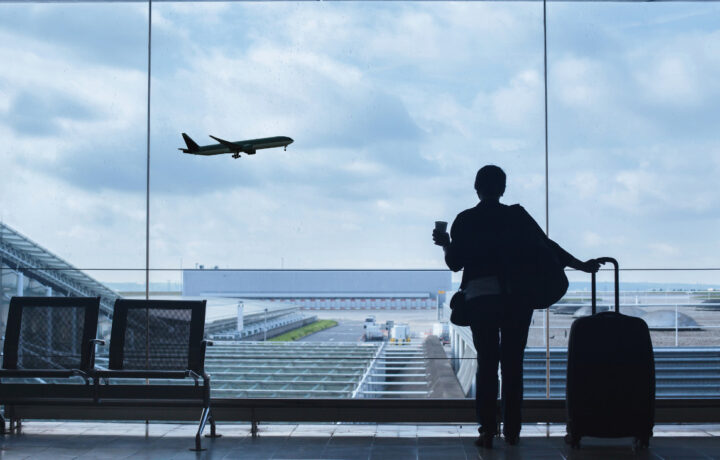
Our cleared personnel are not only our work concern; they are our colleagues and friends. We need to be sure they are personally safe, as well as the classified materials and information they protect and secure. So, it is wise to establish a step-by-step program for workers to follow. This way, if you are on leave or out on temporary duty, there is a program that guides all parties along a safe, secure path.
Establish a Practice
Establish three phases for any travel: before, during, and after. Write this program down. Even better, see if your government contact already has a plan online that you can copy. Just remember, a copy is only good if you check that it really helps your people. Check its applicability to your real-world, on-the-ground requirements. Otherwise, it is just more paperwork. Bad checklists only describe what an average tourist would want to know. They don’t address cleared personnel at all. Be sure the information you provide is adequate, not too much, or too little. Too much security is just a way to ensure you did all your mandatory annual training. People will ignore items that clearly don’t help, rendering all your good efforts null and void. The purpose of real training is to keep you safe, your security intact, and classified information protected.
All your employees should follow these basic guidelines: Before you go, attend your pre-travel briefing. This should be easy, because you’ve notified your official security manager about a month out that you are going and where. Be sure to mail your classified materials to your next location by secure courier, or ensure your secure computers have properly forwarded all your classified materials.
Make copies of all the official documents you carry in your wallet. These items are driver’s licenses, credit cards, and so forth. Why? If you are robbed or mugged, you can call the trusted person holding copies of your valuable documents at home and tell them, ‘Start canceling everything!’ That way, the bad guys won’t be able to drain your bank account or use your information to commit identity theft. For this reason, know the contact information at the U.S. Embassy or Consulate wherever you travel.
STEP Up Security During Travel
Enter the U.S. State Department’s STEP program. This ‘Secure Traveler’s Enrollment Program’ gives you alerts for your upcoming trip. If you enroll, you can register not only your personal information, but also detailed data about your trip, including dates and locations you plan to visit. This way, the State Department can email you directly about health, emergency, violence, and other notifications that might affect your specific travels.
During your travel, the less you say about where you are to others, the better. Your hotel is a concern not only for your computer but also for your physical safety. Your briefer will have an entire segment of his briefing dedicated to safety measures for your stay.
For instance, you should know where the exits are located. Leave lights on when you leave your room. Never use your name or rank when answering calls. Never discuss work outside of official locations. This is particularly true in hotels. Never leave your bags unattended, or agree to watch a stranger’s bags. This last point is critical. No matter how valiant or helpful you think you’ll be, don’t agree to carry a message, envelope, or box for him. Don’t even agree to mail something. This classic trick is guaranteed to be photographed, with you doing the ‘espionage’ delivery. Your briefer should cover not only espionage-related issues, but also general safety. Ask about measures to take in case of storms, fires in the building, and unwanted guests. Of course, you can cover much more, but these highlights are important to know from any briefing.
Debrief Upon Return
When you return, you must report to your security manager. You probably have a post-travel form to fill out, which is quite important regardless of where you go. Be sure to list everyone you interacted with and for what purpose. One traveler found that his table mate at the conference was a pre-placed spy. Surely your traveler obtained this information elsewhere. The spy stopped his ‘casual inquiries’ and did nothing further once he was ignored by the pre-briefed traveler. Fill out the form, and report anything that struck you as odd or unusual. You are the best judge of that. Perhaps someone was there who had no idea about the subject at hand. That too could be a clue. The person at the NATO friendship conference with former East European military officers was not an artilleryman, but a KGB spy. He had literally no idea about artillery. Be aware of your surroundings, and report back when you return. Security is one step at a time.


