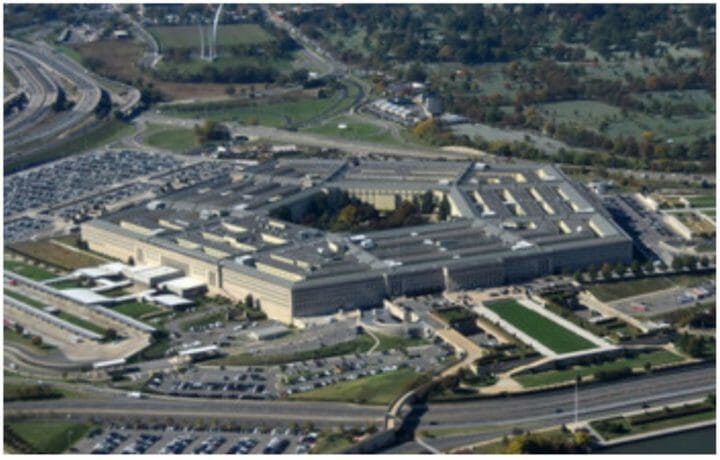
Kathleen H. Hicks, Deputy Secretary of Defense, spoke virtually from the Pentagon this week about the fiscal year 2022 Department of Defense budget request. Threats she emphasized included China, Russia, North Korea, Iran, data, nuclear modernization, space capabilities and cybersecurity. What could this potentially reflect for the recruiting landscape?
The budget request includes a lot of joint support and technical work, Hicks noting “There’s lots of experimentation going on across the department. There’s also lots of innovation going on.”
ARTIFICAL INTELLIGENCE AND DATA recruiting
We’ve long seen AI, machine learning, and data science in high demand within the cleared industry, and that is only going to ramp up into the next decade as warfare continues to advance technologically. The DoD is moving from concepts to capabilities in its AI and their data accelerator initiatives, Hicks saying that “Teams will go out within the next 90 days to every single combatant command and start to tie in their data, and they’ll also have technical expert teams on AI and they’ll start looking at how to bring AI and data to the tactical edge in support of the warfighter.”
As a recruiter, this means you need to begin relationship building with these groups even more heavily if you have not already done so. Start doing research on AI/machine learning tech hubs (or growing secondary markets) so you know all the perks to highlight to your candidates and what average salaries or overall compensation packages look like. Learn what private tech companies with these capabilities that you can easily poach from.
DOD COLLABORATIVE MODEL FOR INNOVATION
The joint command and control (C2) is another effort to implement cloud enterprise solutions between collaborative partners in national security. We’ve seen similar efforts to streamline security clearance processes that tend to hold cleared individuals up, preventing them from working on contract sooner. While countries like China rely on government funding for civilian research related to military affairs, the U.S. uses what she calls a “collaborative disruption” model. We see it every day within our sector, where academics, labs, military, government and the private sector are collaborating on research and development, using seed money from the government to fund essential technology projects.
Therefore, we will continue to see universities, labs, and other commercial institutions competing for defense contracts and cleared work. While the recruiting competition is becoming larger in quantity, so is your cleared candidate pool to poach from.


