As global travel increases entering 2026, cleared personnel must remember that foreign travel is not a casual activity. Under the National Industrial Security Program Operating Manual (NISPOM) and Intelligence Community Directive (ICD) 704, foreign travel is a reportable event that requires pre‑travel notification and a defensive security briefing. These requirements exist because foreign environments introduce risks that directly affect the security posture of the traveler and the organization. One of the most significant emerging risks is the possibility of wrongful or arbitrary detention by foreign governments.
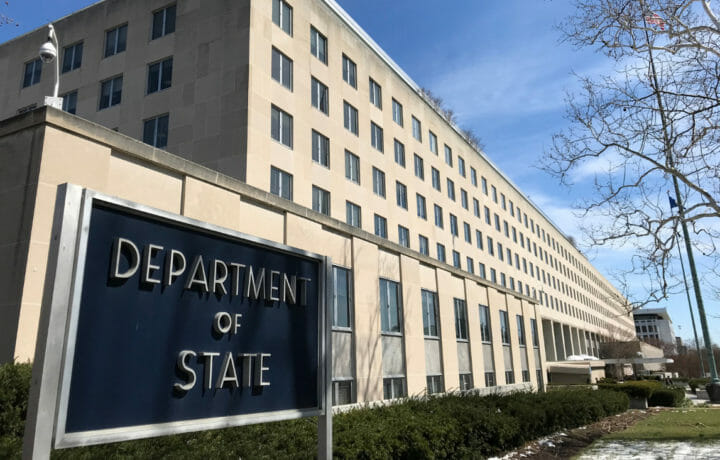
The United States now identifies this risk explicitly through the “Wrongful Detention (D)” indicator within the State Department Travel Advisory system. The other Five Eyes partners, including the United Kingdom, Canada, Australia, and New Zealand, do not use a letter code, but they provide clear warnings regarding arbitrary arrest, politically motivated detention, exit bans, and unpredictable enforcement of local laws.
This is not an abstract concern. Wrongful detention is a deliberate tactic used by certain governments to gain leverage in bilateral disputes, extract concessions, or create bargaining chips. Cleared personnel, because of their affiliations, access, and perceived value, are inherently more attractive targets for such actions. Even when traveling for personal reasons, a cleared individual may be viewed as a lucrative target for use as a pawn in a political or intelligence negotiation.
Countries of Concern as of December 2025
The Five Eyes governments highlight the following countries for elevated risks of wrongful or arbitrary detention. The United States formally applies its “Wrongful Detention (D)” indicator to nine of them, while the United Kingdom, Canada, Australia, and New Zealand include strong narrative warnings for many of the same destinations and, in some cases, additional locations such as Belarus.
- Afghanistan
- Belarus
- China
- Eritrea
- Iran
- Myanmar (Burma)
- Nicaragua
- North Korea
- Russia
- Venezuela
This list is not static. Travelers should always consult the most current official guidance before planning any trip.
The common thread across these destinations is clear. These are environments where the rule of law is weak, political tensions are high, and foreign nationals may be detained for reasons unrelated to legitimate law enforcement. In several of these countries, consular access may be restricted, and legal processes may be opaque.
Wrongful Detention Relevance to Cleared Personnel
Facility Security Officers play the central role in preparing cleared personnel for foreign travel. Their briefings must now include the evolving risk of wrongful detention. These briefings should reinforce situational awareness, emphasize adherence to reporting requirements, and ensure that travelers understand how detention risk fits into the broader security environment.
For individuals holding a clearance, the implications are significant. A traveler’s professional affiliations, access, and public digital footprint can increase their visibility to foreign authorities, including hostile intelligence services. In countries where detention is used as a political instrument, a cleared traveler may be viewed as a valuable asset in a negotiation or as a means to exert pressure on the United States. Legal protections that exist at home may not apply, and consular assistance may be delayed or restricted.
Takeaway for FSOs
Wrongful detention is now a recognized and codified risk within the U.S. Travel Advisory system and a shared concern across the Five Eyes community. Cleared personnel must treat this risk with the same seriousness as foreign intelligence targeting or cyber compromise. As global travel rebounds in 2026, Facility Security Officers must ensure that wrongful detention risk is incorporated into all foreign travel briefings


