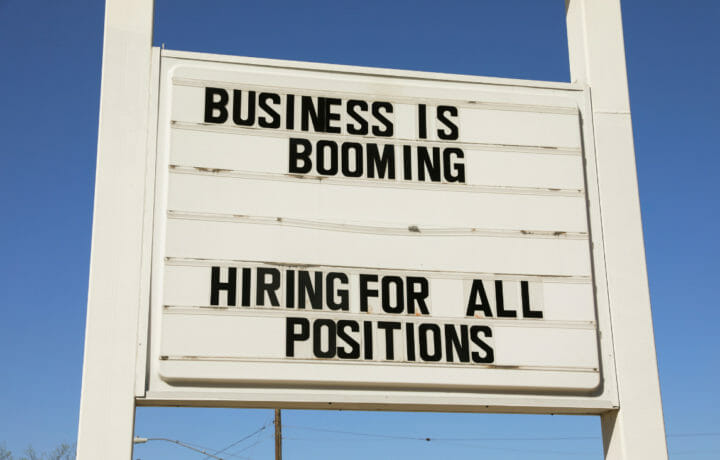
AI engineer is now one of the fastest-growing job titles for young workers, underscoring how quickly artificial intelligence is reshaping the entry-level job market. The role topped LinkedIn’s list for the second year in a row, with the platform reporting 639,000 AI-related job postings in the U.S. between 2023 and 2025, including 75,000 specifically for AI engineers. These jobs generally focus on building, testing and improving AI tools such as large language models, agents and other systems that can analyze data, make predictions or automate workflows.
The trend comes as younger workers face a tougher hiring environment overall. LinkedIn found entry-level hiring slipped 6% between December 2025 and February 2026 compared with the same period a year earlier, while unemployment for workers ages 20 to 24 remained above the national average in March. Even so, demand for AI talent is growing well beyond traditional tech companies, with openings also showing up in fields such as finance, consulting, higher education and defense. For young professionals, that makes AI literacy less of a niche skill and more of a practical advantage for getting a foot in the door.
Layoffs: KBR
A workforce shakeup is underway at Fort Irwin in California, where defense contractor KBR Services LLC is moving forward with layoffs impacting 758 employees—one of the larger job cuts in the state in recent years. According to a state filing, the reductions are heavily concentrated in hands-on support roles tied to Army training operations, including 482 tactical vehicle mechanics, along with parts clerks, technical inspectors, senior mechanics, and equipment foremen. The layoffs are scheduled to take effect by May 6.
KBR has long supported large-scale Army training rotations at Fort Irwin. The move highlights how contract scope changes—even without a full program cancellation—can significantly impact staffing levels, especially for logistics and maintenance-heavy roles. For cleared professionals, it’s a reminder that contracts can fluctuate, even as companies continue to hold major awards elsewhere and maintain a sizable footprint supporting government missions globally.
Hiring: Palantir
Palantir continues to sit at a unique intersection of Silicon Valley and the defense and intelligence community, with its software increasingly embedded in government operations. Recent reporting highlights the company’s growing portfolio of multibillion-dollar defense contracts and its role supporting data integration, AI, and operational decision-making across national security missions. Its platforms are being used in environments ranging from battlefield intelligence to broader command-and-control systems, reinforcing Palantir’s position as a key—but distinct—player in the defense ecosystem compared to traditional contractors.
From a workforce perspective, Palantir represents a different kind of opportunity set for defense talent. The company remains relatively lean, but typically maintains hundreds of open roles spanning engineering, data science, and mission-focused positions that often intersect with cleared work. CEO Alex Karp also recently drew attention by saying that working at Palantir can be “equivalent to an Ivy League degree or better,” underscoring how the company is positioning itself competitively for top technical talent. For professionals in the defense space, it reflects a broader shift: more pathways now exist that combine national security missions with a tech-sector operating model.
Cleared Employer at Work: ClearanceJobs
ClearanceJobs is the largest career network for professionals with federal government security clearance. Find defense and intelligence jobs requiring security clearance. Put your security clearance to work, join today.
SPONSORED CONTENT: This content is written on or behalf of our Sponsor.
Opportunity to Watch
The Pentagon is exploring an expanded role for U.S. industry, reaching out to major manufacturers like General Motors, Ford, and GE Aerospace about potentially ramping up weapons production. The conversations come as ongoing conflicts and global demand strain existing defense supply chains, prompting officials to consider how commercial companies could help scale production quickly if needed. The effort reflects a broader push to strengthen the defense industrial base and ensure the military can sustain operations in a prolonged crisis.
The idea draws clear parallels to World War II, when American automakers famously converted assembly lines into engines of war production, producing everything from bombers to tanks at massive scale. But replicating that model today is far more complex. Modern weapons systems rely on advanced electronics and globally sourced components, raising questions about how easily commercial manufacturers could pivot—and how quickly they could deliver at the level required.


