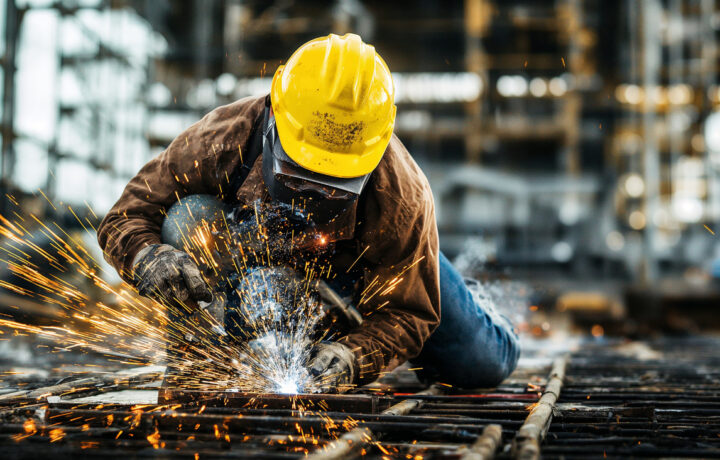
Leaving the military is a major life transition, and for many veterans, finding the right civilian career can be one of the toughest parts of that process. While military service builds leadership, discipline, technical knowledge, and problem-solving abilities, many veterans still struggle to find jobs that match their experience and capabilities once their service ends.
Research from the Wounded Warrior Project found that roughly one-third of veterans report difficulty finding full-time employment after leaving the military. Even when veterans do secure jobs, many say they end up in positions below their skill level or in careers that lack long-term stability and growth.
At the same time, another major issue is unfolding across the country; that is a growing shortage of skilled tradespeople. For veterans searching for meaningful work, those two realities may actually create a strong opportunity.
A Growing Labor Shortage Is Creating New Opportunities
Industries such as welding, electrical work, HVAC, manufacturing, plumbing, and construction are facing an aging workforce and a shrinking pipeline of younger workers entering the trades. As experienced workers retire, employers are struggling to fill essential positions.
According to the U.S. Department of Education, more than 2 million skilled trade jobs could remain unfilled by 2030. That shortage affects everything from housing construction and infrastructure projects to manufacturing plants and local businesses.
Communities across the country depend on skilled workers to keep essential systems running, and many companies are actively searching for dependable employees who can step into these roles quickly.
For veterans, that demand creates a major advantage.
Why Military Experience Fits Naturally in the Trades
There is a strong connection between military experience and skilled trade work. Many service members already have hands-on technical experience gained through military occupational specialties that involve mechanics, engineering, equipment maintenance, logistics, construction, communications, aviation, and other technical fields.
Veterans are often already familiar with operating specialized equipment, following detailed procedures, troubleshooting problems, and working in high-pressure environments. Safety standards and precision are also heavily emphasized in both military service and trade careers.
Because of that overlap, many veterans transition naturally into skilled trade industries.
For some, the work itself may even feel familiar. Trade careers often involve teamwork, practical problem-solving, mission-focused tasks, and physically active work environments – all things many veterans experienced during military service.
The Value of Veteran Leadership and Work Ethic
Beyond technical ability, veterans also bring qualities that employers consistently value.
Leadership, accountability, adaptability, teamwork, and reliability are traits developed throughout military service, and they are highly respected in the trades. Employers are not just looking for workers who can perform technical tasks. They also want people who show up on time, work well with teams, solve problems, and handle responsibility.
Those qualities often help veterans move into supervisory or specialized roles more quickly than other new workers entering the industry.
In many skilled trade careers, veterans may find opportunities not only to build a stable career, but also to grow into leadership positions over time.
Skilled Trade Careers That Are in High Demand
The skilled trades cover a wide range of career options, many of which continue to experience strong demand nationwide.
Some of the most popular trade careers (with three types of data for comparison purposes) for veterans include:
- Electrician
- Annual Median Pay: $62,350
- Potential Job Outlook: 9% (Much faster than average)
- Number of Openings per Year Over the Next Decade: 81,000
- Welder
- Annual Median Pay: $51,000
- Potential Job Outlook: -7% (Decline)
- Number of Openings per Year Over the Next Decade: 87,900
- HVAC technician
- Annual Median Pay: $59,810
- Potential Job Outlook: 8% (Much faster than average)
- Number of Openings per Year Over the Next Decade: 40,100
- Construction manager
- Annual Median Pay: $106,980
- Potential Job Outlook: 9% (Much faster than average)
- Number of Openings per Year Over the Next Decade: 46,800
- Industrial maintenance technician
- Annual Median Pay: $63,510
- Potential Job Outlook: 13% (Much faster than average)
- Number of Openings per Year Over the Next Decade: 6,300
- Pipefitter or plumber
- Annual Median Pay: $62,970
- Potential Job Outlook: 4% (As fast as average)
- Number of Openings per Year Over the Next Decade: 44,000
- Machinist
- Annual Median Pay: $57,700
- Potential Job Outlook: -2% (Decline)
- Number of Openings per Year Over the Next Decade: 34,200
- Heavy Equipment and Tractor/Trailer Operators
- Annual Median Pay: $57,440
- Potential Job Outlook: 4% (As fast as average)
- Number of Openings per Year Over the Next Decade: 237,600
- Diesel mechanic
- Annual Median Pay: $60,640
- Potential Job Outlook: 2% (Slower than average)
- Number of Openings per Year Over the Next Decade: 26,500
- Manufacturing technician
- Annual Median Pay: $64,970
- Potential Job Outlook: 2% (Slower than average)
- Number of Openings per Year Over the Next Decade: 6,300
NOTE: Data courtesy of the Bureau of Labor Statistics
Many of these careers offer competitive pay, strong job security, advancement opportunities, and the ability to work in nearly any part of the country.
Some veterans also choose to eventually start their own businesses within the trades, using the leadership and operational skills they developed during military service.
How Veterans Can Use the GI Bill and Military Benefits for Training
One reason the trades are becoming more attractive to veterans is the accessibility of training programs. Trade schools and technical colleges across the country actively recruit veterans because they recognize how well military experience aligns with these industries. Many schools offer military-focused support services, enrollment assistance, scholarships, and reduced tuition rates.
In addition, many skilled trade programs accept GI Bill benefits, helping veterans cover tuition, fees, tools, certifications, and even housing costs while attending school.
By combining GI Bill benefits with military scholarships and employer-sponsored apprenticeship programs, many veterans can complete training with little to no out-of-pocket expense.
Fast-Track Training Programs Help Veterans Enter the Workforce Quickly
Unlike traditional four-year college degrees, many trade programs can be completed in six months to one year. That shorter timeline allows veterans to enter the workforce faster and begin earning income sooner.
For veterans who want a practical career path without spending years in school, the trades can offer a faster route to stable employment.
Many programs also focus heavily on hands-on learning rather than classroom-only instruction, which appeals to veterans who prefer active, skill-based training environments.
Apprenticeship opportunities can also allow veterans to earn income while continuing to build their experience and certifications.
More Than a Job: Finding Purpose After the Military
For many veterans, the transition out of the military is not only about finding employment; it is also about finding purpose and direction after leaving a structured, mission-driven environment.
Skilled trade careers often provide a similar sense of accomplishment because the work is tangible and meaningful. Whether building homes, repairing infrastructure, maintaining equipment, or helping businesses operate, trade workers can clearly see the impact of what they do every day.
That sense of contribution can make the transition into civilian life feel more rewarding and fulfilling.
Why the Skilled Trades Offer Long-Term Stability for Veterans
The demand for skilled workers is expected to continue growing in the years ahead, creating long-term career opportunities for veterans entering the trades today.
As labor shortages increase and infrastructure projects expand across the country, employers are likely to continue searching for dependable workers with technical abilities and leadership experience.
Veterans already possess many of the qualities these industries need most.
For service members searching for their next mission after military life, the skilled trades may offer more than just a paycheck. They can provide stability, career growth, purpose, and the chance to continue serving communities in a different but equally meaningful way.


