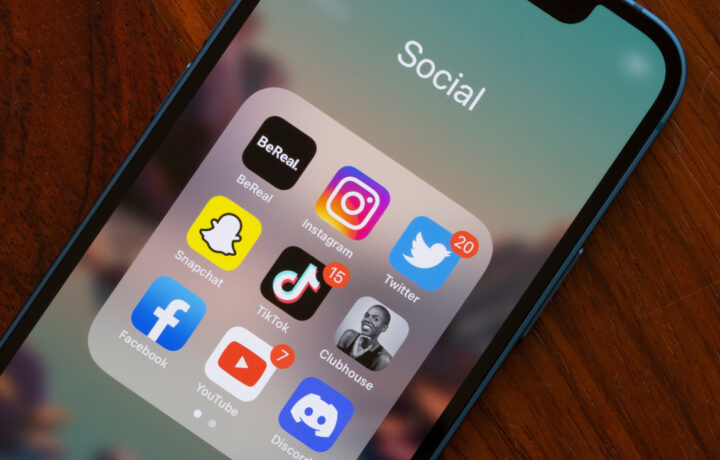
Social media has become part of everyday life. Whether posting vacation photos, commenting on current events, or networking professionally, many security clearance holders rarely think twice before hitting the “Post” button.
However, what is shared online can have consequences beyond likes and comments. Increasingly, security clearance holders are asking whether social media activity can affect their eligibility to obtain or maintain a security clearance. The answer is that it can. However, this is not necessarily for the reasons many people think.
After more than 25 years representing security clearance holders and applicants, I have seen an increasing number of cases where social media activity becomes relevant during security clearance investigations and adjudications. While simply having and using social media accounts is not a security concern, how those accounts are used can raise important questions regarding judgment, reliability, trustworthiness, and allegiance to the United States.
These considerations apply to all types of security clearance holders, including Federal employees and government contractors.
Public Posts Can Become Permanent Evidence
Many people mistakenly believe that deleting a post eliminates any potential consequences.
In reality, public posts are often archived, screenshotted, or preserved by others long before they are removed. They can also be obtained through civil litigation. Investigators may review publicly available social media activity as part of a background investigation or continuous vetting program. The settings on different social media apps change so often that something that you posted privately might one day become public.
Posts that demonstrate poor judgment, threats of violence, illegal activity, or dishonesty may receive scrutiny, particularly when they are inconsistent with statements made during the security clearance process.
Foreign Influence Concerns
Social media has made it easier than ever to connect with individuals around the world. This can raise foreign influence concerns. While having foreign contacts is not unusual, clearance holders should exercise caution when developing online relationships with individuals from countries considered adversarial to the United States. This issue frequently comes up for clearance holders when having to disclose close foreign contacts from their social media on security clearance forms.
Adjudicators may examine whether online relationships involve:
- Unreported foreign contacts
- Requests for sensitive information
- Attempts to cultivate a relationship over time
- Financial or business opportunities involving foreign entities
In many cases, the concern is not the existence of a foreign contact, but whether the clearance holder exercised appropriate judgment and complied with applicable reporting requirements. One other quick point is that some countries are beginning to actively target U.S. clearance holders through social media.
Extremist Content and Online Activity
Federal agencies continue to evaluate whether an individual’s online activity reflects conduct that raises security concerns.
This does not mean that holding or expressing political opinions automatically affects a security clearance. Rather, concerns may arise where social media activity appears to advocate violence, support criminal conduct, promote extremist organizations, or demonstrate behavior inconsistent with the obligations of holding a clearance.
As with other adjudicative issues, context matters. Investigators typically evaluate patterns of conduct rather than isolated statements.
Don’t Forget About Security Violations
One of the fastest ways for social media to become a clearance issue is through the improper disclosure of sensitive information.
Examples include:
- Posting photographs taken in restricted areas
- Discussing classified or controlled information
- Identifying sensitive work locations or assignments
- Revealing travel schedules or operational activities
Even information that appears harmless on its own may become problematic when combined with other publicly available data.
Professional Conduct Matters Online
Social media can also reflect on an individual’s overall judgment and professionalism.
Posts involving harassment, threats, repeated alcohol or drug-related behavior, or other conduct that calls into question reliability may become relevant during a clearance review. I have seen many cases where the social media posts of a clearance holder make it back to their workplace and then later to the security office for review.
Again, the government is generally less interested in whether someone has a social media presence than whether that presence demonstrates maturity, sound judgment, and respect for the responsibilities associated with holding a security clearance.
An Example to Consider
Consider a clearance holder who regularly posts photographs from work-related travel. Although none of the photographs contain classified information, several reveal secure facilities, identify government customers, and disclose travel patterns associated with sensitive projects.
Months later, during a routine security review, investigators ask about the posts.
The issue is not whether the individual intended to violate security rules. Rather, the concern is whether the posts demonstrated the judgment expected of someone entrusted with access to classified information.
Final Thoughts
Social media has become an important part of modern life, but it has also become an important consideration in the security clearance process.
Most clearance holders will never lose a clearance simply because they maintain social media accounts or express lawful opinions. However, public posts, online relationships, security violations, and patterns of poor judgment can all become relevant when adjudicators evaluate an individual’s reliability and trustworthiness.
Before posting online, clearance holders should ask themselves a simple question: Would I be comfortable explaining this post to a security investigator? If the answer is no, it may be worth reconsidering before clicking “Post.”
This article is for informational purposes only and should not be construed as legal advice. Security clearance rules, agency social media policies, and federal guidance may change, and readers should consult counsel regarding their specific circumstances.


