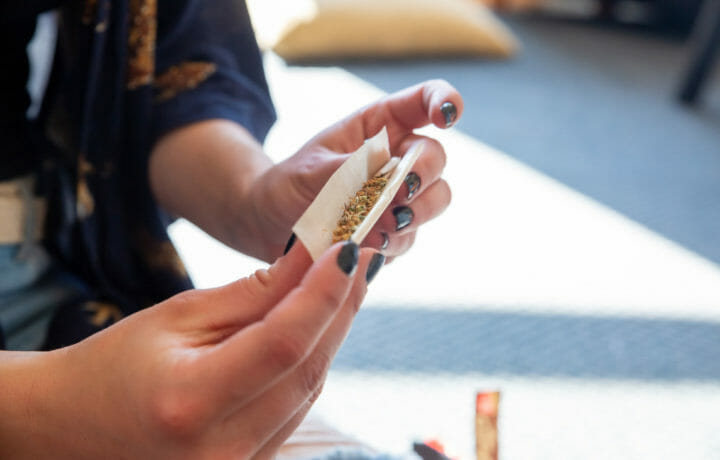
As 4/20 continues to move into the mainstream—complete with brand deals and celebrity endorsements, it’s easy to assume the rules around marijuana have relaxed across the board. For security clearance holders, that assumption couldn’t be more dangerous.
Despite growing state-level legalization, marijuana remains illegal at the federal level. And for cleared professionals, federal law is what matters. That means using marijuana—even in a state where it’s legal—can still jeopardize your clearance.
The confusion doesn’t stop there. CBD products, Delta-8, and other cannabis derivatives are widely marketed as safe alternatives, but they carry real risk. Not only can these products contain trace amounts of THC, they can also trigger positive drug tests. For clearance holders, that’s a gamble with serious consequences.
Then there’s the growing conversation around psychedelics. As research expands into their use for mental health treatment, public perception is shifting. But from a clearance perspective, these substances remain firmly off-limits. Legal gray areas or emerging therapies don’t override current federal restrictions.
The nuance comes with past use. Clearance adjudicators don’t expect perfection—they expect honesty and behavioral change. Occasional or experimental use, especially in legal contexts, can often be mitigated with transparency. Habitual use, however, raises far more significant concerns.
The takeaway is simple: cultural normalization does not equal policy change. Until federal law—and clearance guidelines—explicitly shift, the safest move for clearance holders is still abstinence.


