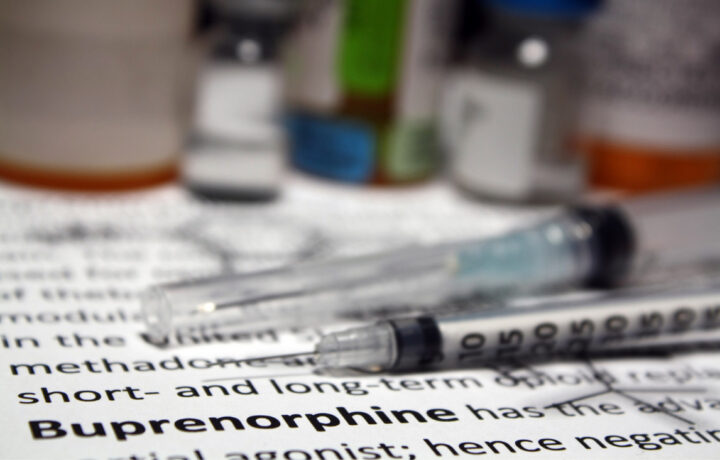
Suboxone is an FDA-approved prescription medication used to treat opioid addiction by reducing withdrawal symptoms and cravings. It combines buprenorphine (a partial opioid agonist that eases cravings) and naloxone (an antagonist that prevents misuse). It’s use is very common these days for opioid use disorder (OUD), with millions of prescriptions written annually.
While Suboxone is widely recognized in the medical community as an evidence-based treatment, security clearance applicants may worry that its use could be misunderstood as a red flag rather than a sign of stability and responsibility. For those pursuing careers that require a clearance, understanding how recovery, treatment, and disclosure are evaluated is essential. Not only for success in the process, but for reducing unnecessary fear and misinformation.
One ClearanceJobsBlog subscriber writes:
“I just accepted a very good job offer with a defense contractor and it all is contingent on me obtaining a Secret security clearance. I have two items in my past that I’m really worried will derail this: past drug use and current treatment, and past living outside the U.S.
First the big one, past drug use. I have never taken any illegal drugs, but I do have a history of being addicted to pain medication. I got it under control after self-checking myself with the VA in 2019 and getting treatment. Part of that treatment is being prescribed buprenorphine/suboxone. I continue to take this medication and submit frequent urine tests at every visit to show that I haven’t taken anything bad. I have seven years of clean urine screens, not even alcohol, but I continue to take this medication through the VA. My Dr. says I’m a model patient. Will just this derail my chances of getting a Secret clearance? I’m more worried about the embarrassment of this coming out.
The second item is I lived outside the U.S. for about 10 years. It was just across the border in Mexico, started out as 50% time, to minimize expenses while starting a business, but I left in 2020 at the height of Covid. My wife has dual citizenship, and while living in Mexico I had a local bank account and utilities in my name. Everything was closed out in 2020, and we moved to the east coast and have t been back even to visit. I’m just worried this will trigger a lengthy investigation. Also, while living in Mexico, my wife and I were able to get a special pass for crossing the border quicker. We both had our backgrounds checked, fingerprinted, and we “passed” and got these issued to us by CPB. Not sure if that “helps” but they are kind of hard to get and keep. We let those passes expire.
Now that I have accepted the job offer, everything is contingent on getting clearance. It’s a great opportunity, and an important role that I’d love to contribute to our nation’s defense but stressed over what’s coming. Does it seem I even have a chance?”
Obtaining security clearance is often described as a test of trust, an evaluation not just of your background, but of your judgment, reliability, and honesty. For individuals in recovery from opioid use disorder, that process can feel especially complex. The use of Suboxone sits at the intersection of medical treatment and stigma…raising questions about how it may be perceived during a clearance investigation.
Regarding the foreign ties concern, an investigator notes, “The investigator might want some references currently living in the U.S. who can verify your time in Mexico. There may also be some questions about any travel you did outside of Mexico during that time, so you may need to provide details on those trips, if there were any.” Marko Hakamaa, blog moderator adds, “the two issues are mitigated with time and are no longer issues based on what you posted.” He also notes, “your statement about being embarrassed if it became known would be concerning if you were not fully forthright on the clearance application, so be sure to provide all details so there is no appearance of trying to hide anything.”
The age-old rule of being honest applies here.
In the end, the clearance process isn’t a search for perfection. It’s a search for patterns. Patterns of honesty. Of accountability. Of stability over time. For those with past issues that can be truly mitigated, the story isn’t one of risk, but of repair, whatever the issues may be. A story of choosing structure over chaos, treatment over denial, and forward motion over the past.
If you or someone you know is struggling with substance use or addiction, help is available and you don’t have to face it alone. In the US, you can call the SAMHSA National Helpline at 1-800-662-HELP (4357) for free, confidential support 24/7. They can connect you with local treatment programs, counseling, and recovery resources. You can also dial or text 988 to reach the Suicide & Crisis Lifeline if you’re in emotional distress or crisis.


