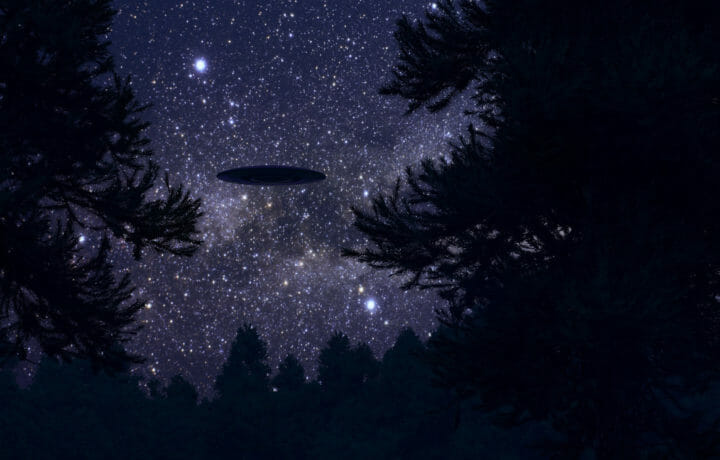
The government’s recent release of information surrounding UAPs — or unidentified anomalous phenomena — has sparked renewed conversations about secrecy, aliens, and classified information. But the biggest takeaway from these disclosures has little to do with extraterrestrials and everything to do with national security.
Public reaction to UAP releases often centers around one question: what is the government hiding? The answer, in many cases, is simpler and more practical than conspiracy theories suggest. Governments classify information to protect sensitive intelligence capabilities, not necessarily because they’re concealing alien life.
In the case of UAP investigations, the real concern is often the technology used to detect unusual activity. During the Cold War and beyond, the U.S. government invested heavily in radar systems, surveillance platforms, underwater monitoring capabilities, and advanced aerospace detection tools. Revealing exactly what was seen, how it was identified, or where it was detected could expose classified methods and capabilities to adversaries.
That’s the reality of the classification system: protecting sources and methods remains one of the government’s highest priorities. Even seemingly harmless information can reveal operational details when combined with other intelligence.
The current UAP conversation also highlights an important balance between transparency and security. While many Americans want more openness from the government, intelligence agencies must constantly weigh public interest against the risk of exposing critical infrastructure or sensitive defense technologies.
So far, most publicly released UAP documents appear to focus less on confirmed extraterrestrial encounters and more on unexplained observations that lacked immediate answers at the time.
Whether alien life exists remains an open question. But one thing is certain: if cutting-edge surveillance systems uncover something unusual, the government is far more likely to protect the technology behind the discovery than fuel speculation about what was seen.


